
Acne not only causes superficial discomfort but can also leave persistent acne scars and pigmentation. This article systematically explores the mechanisms of acne formation and pigmentation, sharing professional prevention and care methods to help you overcome the shadow of acne and restore translucent, delicate skin.
Causes of Acne and Melanin
When acne occurs, pores become clogged with oil and dead skin cells, allowing bacteria to multiply and trigger inflammation, resulting in localized redness, swelling, and pain. This inflammatory response activates melanocytes in the skin, leading to excessive melanin production and the formation of acne scars. The depth of melanin depends on skin type, the severity of inflammation, and individual constitution. Asians are more prone to prolonged pigmentation.

Key Measures to Prevent Acne from Worsening and Pigmentation
- Do not squeeze or pick at pimples as this can worsen inflammation, prolong the recovery of pigmentation, and even cause sunken scars.
- Manage acne inflammation promptly and use appropriate anti-acne care products to minimize the formation of new breakouts. – Daily sun protection is essential, as UV rays can worsen acne scars and make them harder to fade.
- Maintain a good cleansing routine and choose gentle cleansers containing ingredients like salicylic acid to help unclog pores and reduce oil buildup.
Professional Skincare Advice and Product Selection
- Using acne patches: Protect delicate skin, promote localized healing, and reduce the risk of contamination and infection.
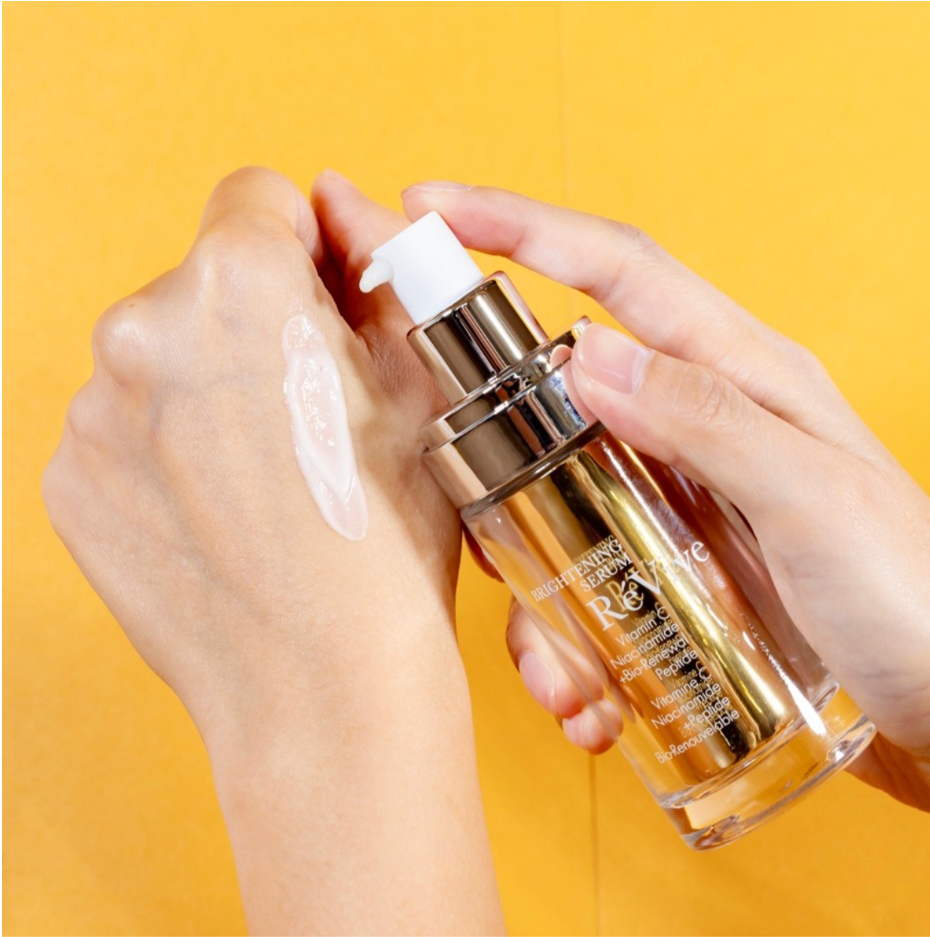
- Anti-acne and anti-inflammatory skincare: Vitamin C serum helps fade discoloration, promotes collagen production, and improves overall skin health and elasticity.
- AHA or fruit acid products: Promote keratin turnover, exfoliate dead skin cells, help fade acne scars, and improve skin texture.
- Anti-scar gel: Contains restorative ingredients like Centella asiatica and vitamin C to help reduce scar depth and discoloration.
- Professional medical aesthetics: Treatments like microneedling, light therapy, and chemical peels can stimulate skin repair and significantly improve acne scars and hyperpigmentation.
Diet and Lifestyle Support
- Avoid alcohol, high-sugar, and high-carb intake. Eat a balanced diet, and consume plenty of fresh fruits and vegetables to supplement vitamins and support your skin’s natural metabolism and repair process.
- Get enough sleep, manage stress, and promote overall physical and skin health.
Fighting acne and melanin accumulation is a systematic process that requires a combination of scientific care and a healthy lifestyle. Adhering to a proper skincare routine and professional treatment will gradually improve the appearance of acne and restore your skin to a radiant and radiant look.
Leave a Reply