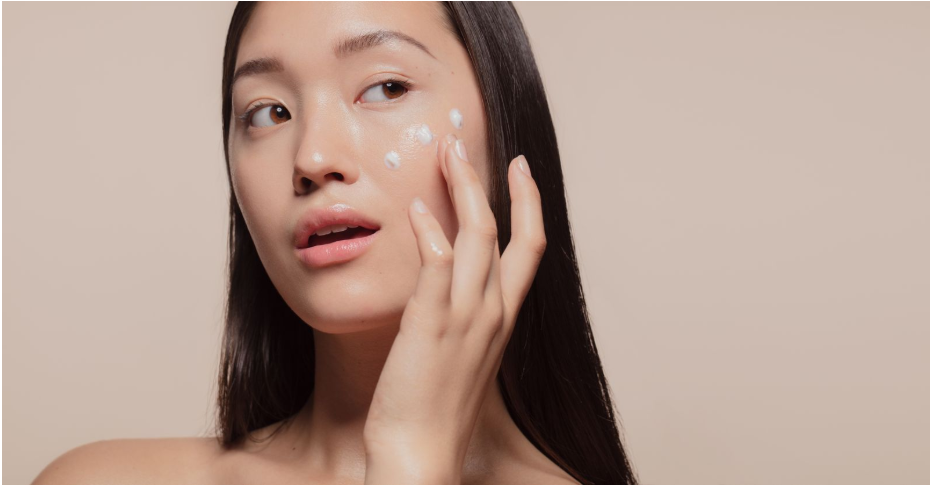
With the changing seasons and advancing age, the challenges our skin faces increase. Moisturizing and anti-aging creams have become daily essentials for many skincare enthusiasts. So, what are the differences between these two types of creams? How can you choose the best one for your needs? This article will deeply analyze the characteristics of these two types of creams, introducing you to the world of skincare where science and aesthetics intertwine.
The Nature and Benefits of Moisturizing Creams
Cream moisturizers have a thicker texture and are rich in moisturizing ingredients. They effectively lock in moisture and repair dryness and roughness. Their key ingredients, including oils, glycerin, and hyaluronic acid, strengthen the skin barrier and alleviate dryness and cracking. They are particularly suitable for dry or mature skin, especially in cold, dry environments.
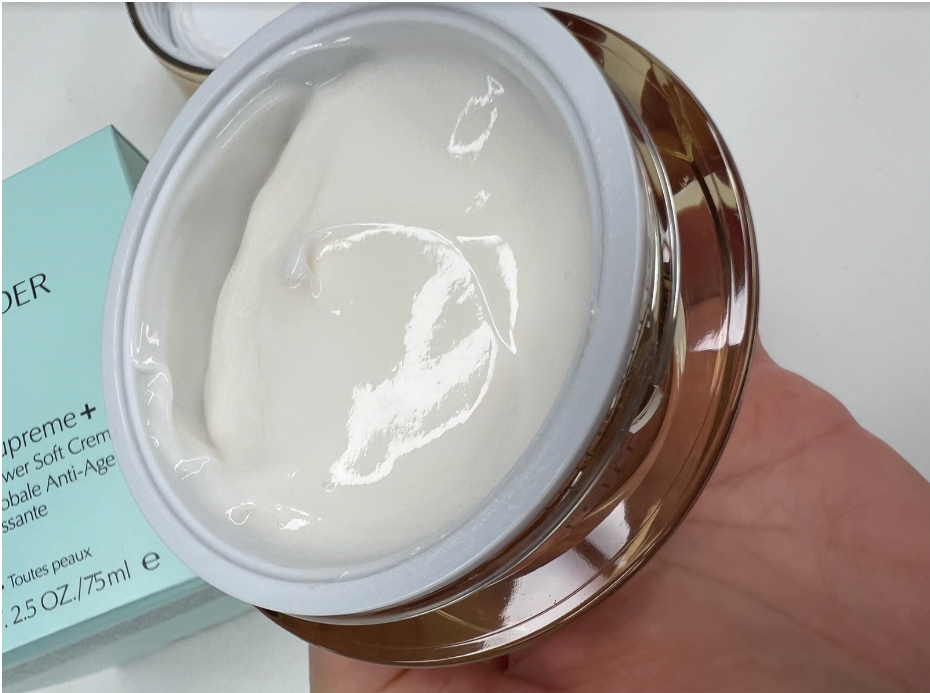
From a skin physiological perspective, as we age, our skin’s natural moisturizing factors gradually deplete. Moisturizing creams, by forming a protective barrier, support the skin’s own moisturizing and repair functions, thereby delaying the appearance of fine lines and sagging.
The Core Function of Anti-Aging Creams
Anti-aging creams often combine multiple benefits, not only hydrating but also focusing on promoting collagen synthesis and cell repair. For example, products containing ingredients like squalane, evening primrose oil, or green tea extract can stimulate skin metabolism and regeneration, improving elasticity and firmness.
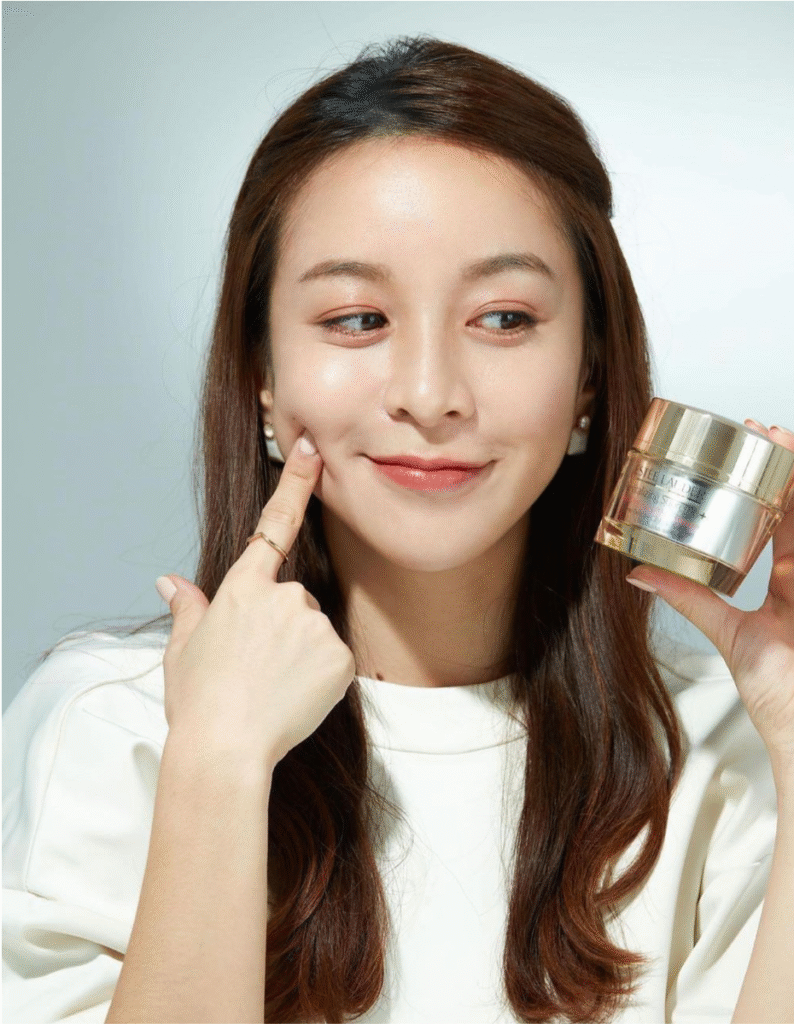
Well-known brands like Estée Lauder’s Revitalizing Supreme+ and AMOREPACIFIC’s Supreme Regenerating Cream combine advanced technology with precious formulas to boost skin’s vitality while combating the signs of aging, leaving it looking youthful and radiant.
The Difference Between Moisturizing Gels and Creams and Recommendations
Moisturizing gels are characterized by their lightness and watery feel, making them ideal for oily or combination skin, especially in hot and humid weather and for acne-prone skin. Containing a high concentration of water and hyaluronic acid, they absorb quickly without clogging pores, making them suitable as a makeup base.
Creams, on the other hand, have a thicker texture and are suitable for dry or mature skin, especially in autumn and winter. It effectively locks in moisture, preventing roughness and sensitivity caused by a dry environment.
It’s recommended to switch between different moisturizers based on skin type and environmental changes. For combination skin, use a gel in the summer and a cream in the winter for optimal skincare results.
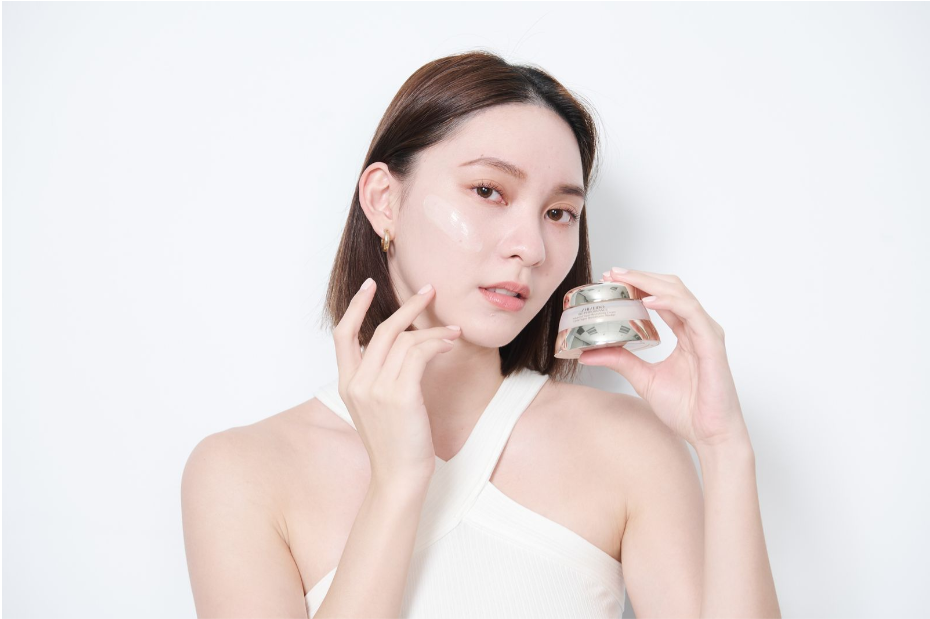
How to Choose the Right Cream for You?
- If you have dry, sagging skin without acne and desire anti-aging and deep moisturizing benefits, a rich cream is more suitable.
- For those with high oil secretion, prone to sweating, or living in humid areas, a lightweight moisturizing gel provides greater comfort and refreshment.
- Pay attention to product ingredients, avoid those containing harsh chemicals, and prioritize products containing natural plant extracts and repair factors.
Whether it’s a delicate, rich moisturizing cream or a light, hydrating moisturizing gel, the core goal is to restore healthy hydration to the skin. Anti-aging creams are formulated with scientific ingredients to help skin resist the ravages of time. Understanding your skin’s needs and environmental factors, and flexibly using moisturizers with different textures, is the key to maintaining youthful, radiant skin. Choose the right cream to nourish and revitalize every inch of your skin.
Leave a Reply