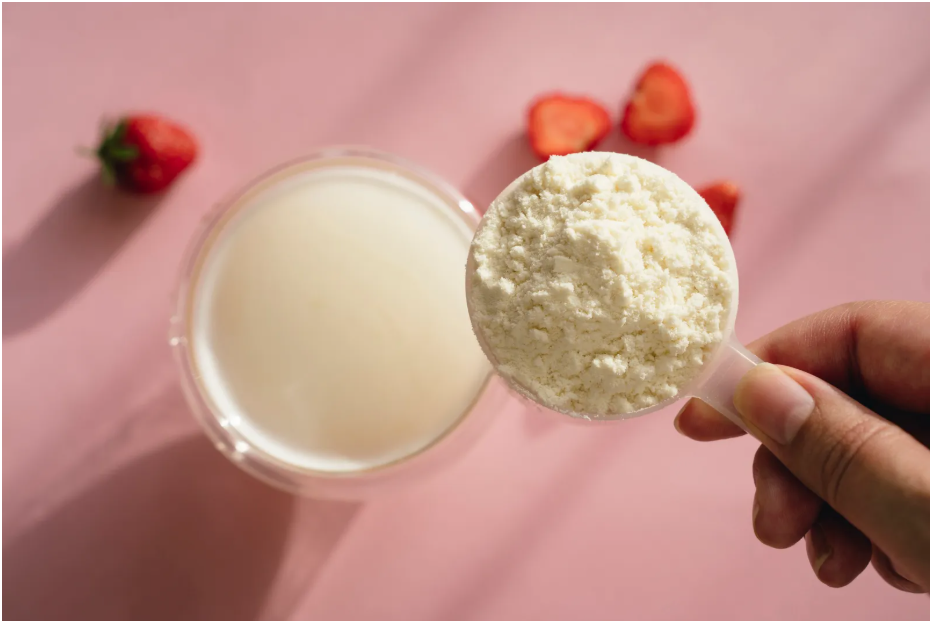
Driven by fitness trends and healthy eating, high-protein diets have become all the rage. Protein is indeed a crucial nutrient for building muscle, maintaining immunity, and regulating hormones, but excessive intake also carries potential health risks. This article examines the signs of excessive protein intake and its impact on the human body, helping you to rationally balance your diet and protect your health.
Recommended Protein Intake
The average adult requires approximately 0.8 to 1.2 grams of protein per kilogram of body weight per day. Active individuals require even more, around 1.2 to 1.7 grams. Consuming more than 2 grams per kilogram can strain the digestive system and kidneys.

Currently, social media and fitness culture often promote daily protein intakes exceeding 100 grams, which is suitable for bodybuilders, but for the average person, this figure is often excessive.
Physical Signs of Excessive Protein
- Digestive Discomfort: A high-protein diet lacks dietary fiber, which can easily lead to flatulence, constipation, and even damage to the intestinal lining. – Weight and Metabolic Issues: Excess unused protein is converted into energy or fat, leading to long-term weight fluctuations and metabolic problems.
- Mental and Physical Fatigue: The heavy digestive burden can cause fatigue, headaches, cognitive impairment, and other symptoms.
- Increased Kidney Pressure: The kidneys are responsible for excreting metabolic waste, and excessive protein intake can accelerate kidney damage, especially for those with pre-existing kidney disease.

Potential Risks of a High-Protein Diet
- A single high-protein diet is often accompanied by insufficient intake of fruits and vegetables, resulting in a lack of essential dietary fiber and antioxidants, which can affect the balance of intestinal flora.
- The misconception that “high protein counters carbohydrates” can lead to an imbalanced nutritional structure and impair overall health.
Scientific Dietary Guidelines
- Balanced Consumption of Multiple Nutrients: Protein should be consumed with an appropriate amount of healthy fats and fiber-rich carbohydrates.
- Protein Consumption Distributed Across Meals: It is recommended to distribute protein intake evenly throughout the day to promote muscle building and metabolic balance.
- Diversified Protein Sources: A combination of plant and animal protein can reduce the risk of high-fat intake. Pay attention to your body’s feedback: Adjust your protein intake based on your digestive status and energy levels to avoid discomfort.

While protein is a cornerstone of health, too much can be detrimental. Diet isn’t just about accumulating numbers; it’s about a scientific and balanced balance of overall nutrition. Understanding your needs and approaching a high-protein diet rationally can help you achieve true strength and balance, leading to a healthy and vibrant life.
Leave a Reply